
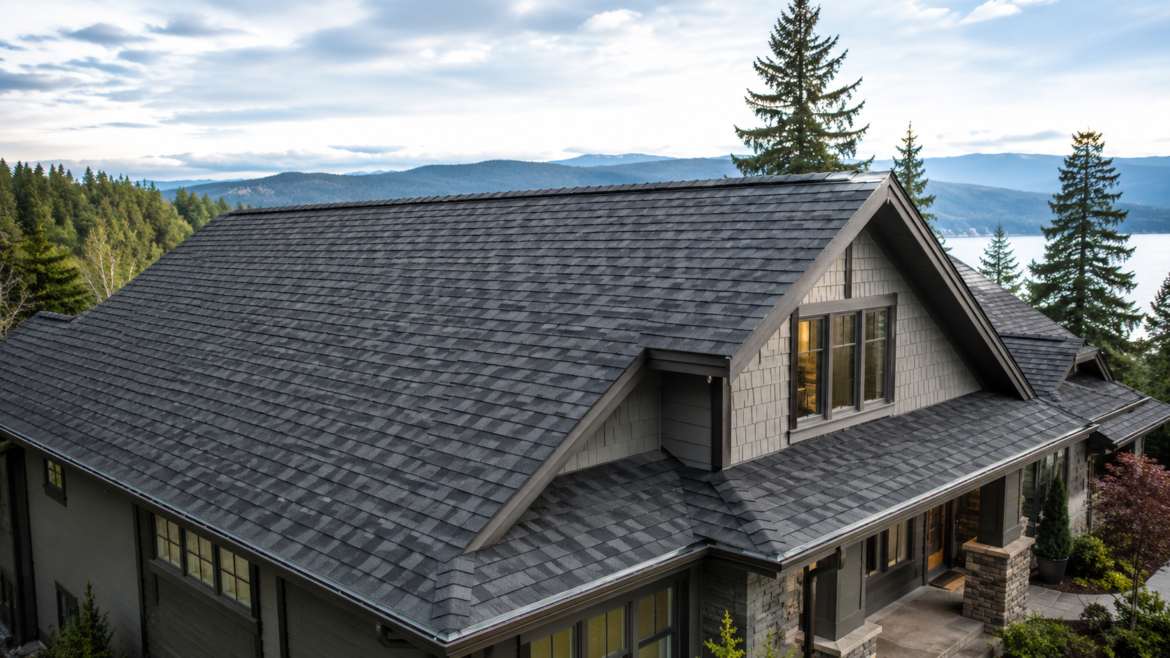
How the Owens Corning Roofing System Helps Protect Your Home
When most homeowners think about a roof replacement, they usually think about shingles first. Color, curb appeal, warranty, and price all matter. But one of the most important parts of a roofing system is something most people never see from the street: ventilation.
At Vant Homes, we look at roofing as a complete system, not just a layer of shingles. A properly built roof should help protect the home from rain, wind, heat, moisture, and long-term wear. That is why roof ventilation is such an important part of the process, especially here in the Pacific Northwest, where homes deal with changing temperatures, wet seasons, and moisture-heavy conditions.
What Is Roof Ventilation?
Roof ventilation is the system that allows air to move through the attic space. In a balanced roof ventilation system, fresh air enters through intake vents near the lower part of the roof, often at the soffits or eaves. Warm, moist air then exits through exhaust vents near the top of the roof, often through a ridge vent.
This steady airflow helps the attic breathe. Without it, heat and moisture can get trapped inside the attic. Over time, that trapped air can contribute to problems with the roof deck, insulation, shingles, and indoor comfort.
Why Poor Ventilation Can Be a Problem
A roof is exposed to the elements every day, but some of the most serious roof problems can start underneath the shingles. When an attic does not have enough ventilation, warm and humid air can collect inside the space. That moisture may lead to mold, mildew, wood deterioration, and damage to insulation.
In warmer months, trapped attic heat can also make the home harder to cool. In colder months, poor airflow can contribute to condensation issues. In some climates, it can also play a role in ice dam formation when heat from the attic warms the roof surface unevenly.
That is why proper ventilation is not just a roofing detail. It is part of protecting the entire home.
The Owens Corning Total Protection Roofing System
Vant Homes uses the Owens Corning roofing system because it is designed around the idea that a roof should work as a complete protective assembly. Owens Corning describes its Total Protection Roofing System in three key areas:
Seal. Defend. Breathe.
The “Seal” portion helps create a water-shedding barrier under the shingles. The “Defend” portion includes shingles and accessories that help protect the home from the elements. The “Breathe” portion focuses on proper attic ventilation.
That final part is easy to overlook, but it matters. A roof that cannot breathe properly may not perform the way it should over time.
Intake and Exhaust Must Work Together
One common mistake is assuming that a ridge vent alone solves ventilation issues. A ridge vent is important, but it needs proper intake to work correctly. If air cannot enter the attic from the lower part of the roof, the exhaust vent has limited airflow to release.
A balanced system usually includes intake ventilation near the eaves and exhaust ventilation near the ridge. This allows air to move naturally through the attic. When installed correctly, this airflow helps reduce heat and moisture buildup.
For homes with limited soffit ventilation, blocked intake areas, or older construction details, the ventilation plan may need to be adjusted. That is why Vant Homes evaluates the roof system as a whole instead of simply replacing the visible shingles.
Signs Your Roof May Have Ventilation Issues
Homeowners may not always know they have a ventilation problem. Some warning signs can include:
High attic heat during warmer weather
Musty odors in the attic
Moisture stains on roof decking or rafters
Mold or mildew in the attic
Insulation that appears damp or compressed
Uneven indoor temperatures
Premature shingle wear
A roof that looks fine from the outside can still have hidden airflow problems underneath. During a roof inspection, ventilation should be reviewed along with the shingles, flashing, decking, gutters, and overall roof condition.
Why This Matters in Oregon and Washington
Homes in the Pacific Northwest face a lot of moisture throughout the year. Rain, humidity, shaded rooflines, tree coverage, and seasonal temperature swings can all place extra stress on a home’s exterior systems.
That does not mean every home has a ventilation issue. It does mean ventilation should be taken seriously when replacing a roof. A new roof is an opportunity to correct airflow problems, improve attic performance, and help protect the investment for the long term.
Vant Homes Builds Roofs as Systems
At Vant Homes, our goal is not to simply install new shingles and move on. We want homeowners to understand what is being installed and why it matters.
That means looking at the roof deck, underlayment, flashing, shingles, accessories, ventilation, and gutters as connected parts of the same system. When those parts work together, the roof is better positioned to protect the home.
The Owens Corning roofing system gives homeowners a strong framework for that protection. With the right installation and a balanced ventilation plan, the system helps manage moisture, improve airflow, and support the long-term performance of the roof.
Protect the Home, Not Just the Roof
A roof replacement is one of the most important investments a homeowner can make. The shingles are the most visible part, but the hidden details are often what determine how well the roof performs over time.
Proper ventilation helps the attic breathe. It helps reduce heat and moisture buildup. It helps protect the roof deck, insulation, and overall home environment. Most importantly, it helps the roofing system do its job.
If you are planning a roof replacement in Oregon or Washington, Vant Homes can help you understand your options and build a roof system designed to protect your home from the outside in.
Leave a Reply